Bulgarian folklore isn’t one book but layers: Slavic beliefs, Thracian customs, traces of the early Bulgars, and Christianity laid over the top. Dozens of creatures survive from them. Each was a way of explaining something people couldn’t control — the storm, illness, the night, fate.
Here are the best known, sorted by where they live.
In the forests and by the water
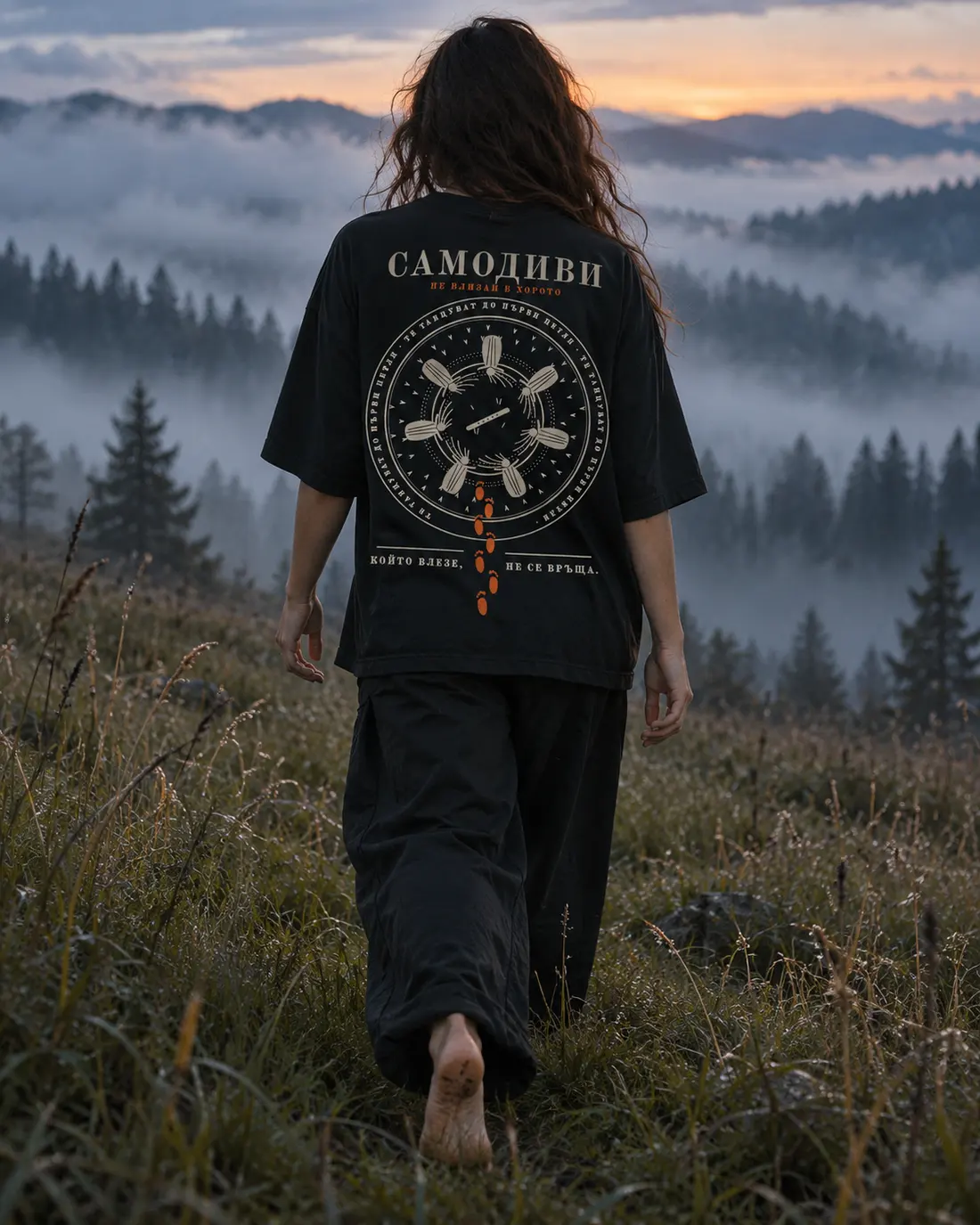
- Samodivi — forest maidens in white shirts with long hair, who dance the horo, the Bulgarian circle dance, at night until the first roosters. Whoever joins their dance doesn’t come back. The full legend of the samodivi.
- Yudi — close to the samodivi, but tied to water: they live in pools and lakes and can drown a man. In some regions the two names mean the same thing.
- Rusalki — in Bulgarian belief not mermaids but spirits that come out in Rusalia week, after Pentecost. Then nobody works the fields or walks alone by the water.
In the sky
- The zmey — the guardian of the village and its fields. He lives in the mountain, flies in the clouds and fights the lamya and the hala. In the songs he often falls in love with a girl and carries her off.
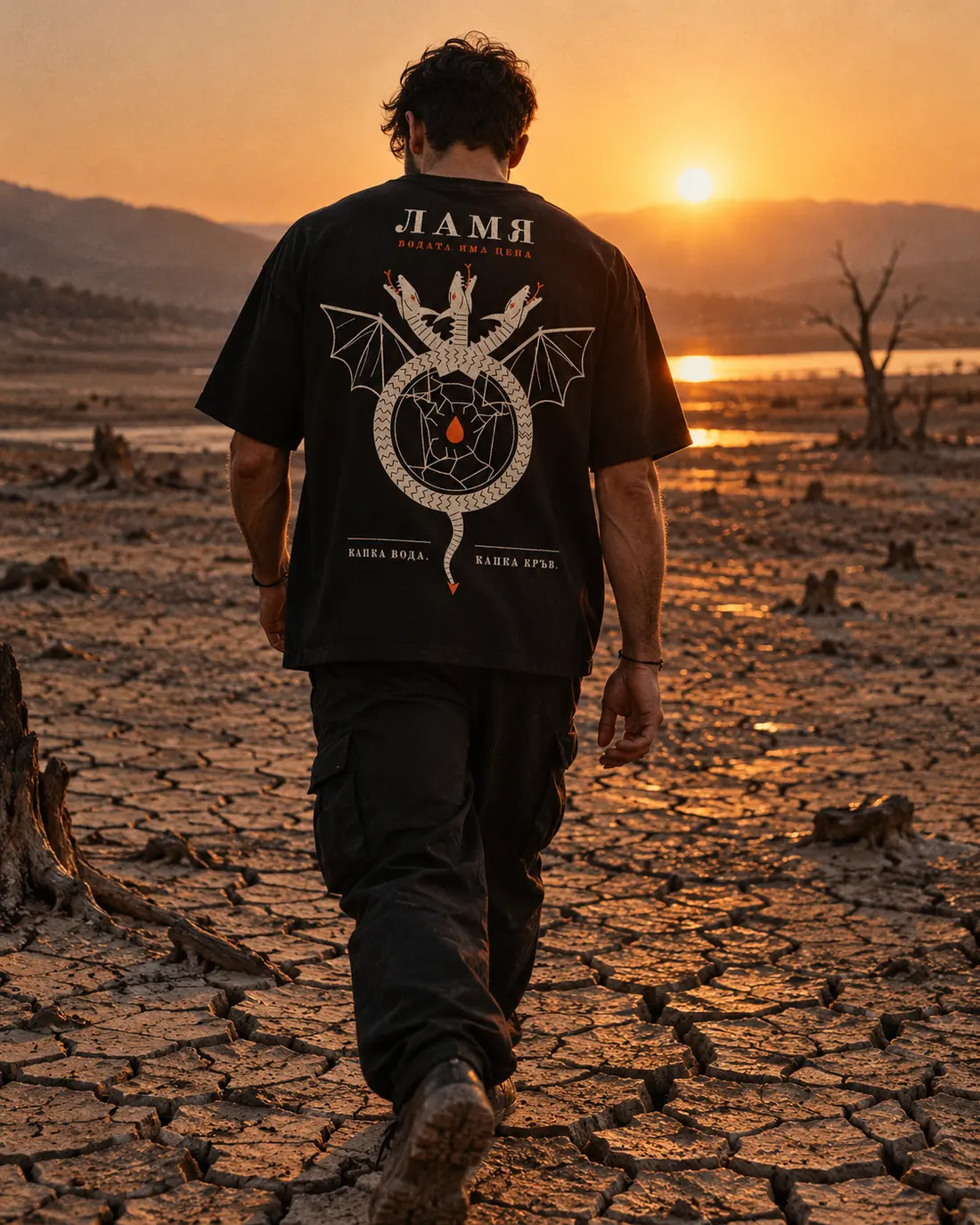
- The lamya — a many-headed winged monster that locks up the water and drives the hail. She brings drought, and in the tales she demands a sacrifice. The full legend of the lamya.
- The hala — the storm with a shape: a whirlwind that breaks trees and beats the fields with hail. In many regions she is the lamya’s sister or double.
In the night
- Karakondzhuli — hairy creatures with horns and hooves who roam in the “unclean days” between Christmas and Epiphany. They jump on the backs of people out late and ride them until the first roosters.
- The vampire — a dead man who finds no rest and comes back. People believed it happened if a cat jumped over the body, or if the burial wasn’t done right. Against him: garlic, fire and hawthorn.
- The talasum — the spirit of a person whose shadow was built into the foundations of a new building. It guards the place and frightens anyone who enters at night. The ballad of the walled-in bride comes from the same belief.
- The varkolak — a man who turns into a wolf. In some regions it’s another name for the vampire.
Over the cradle
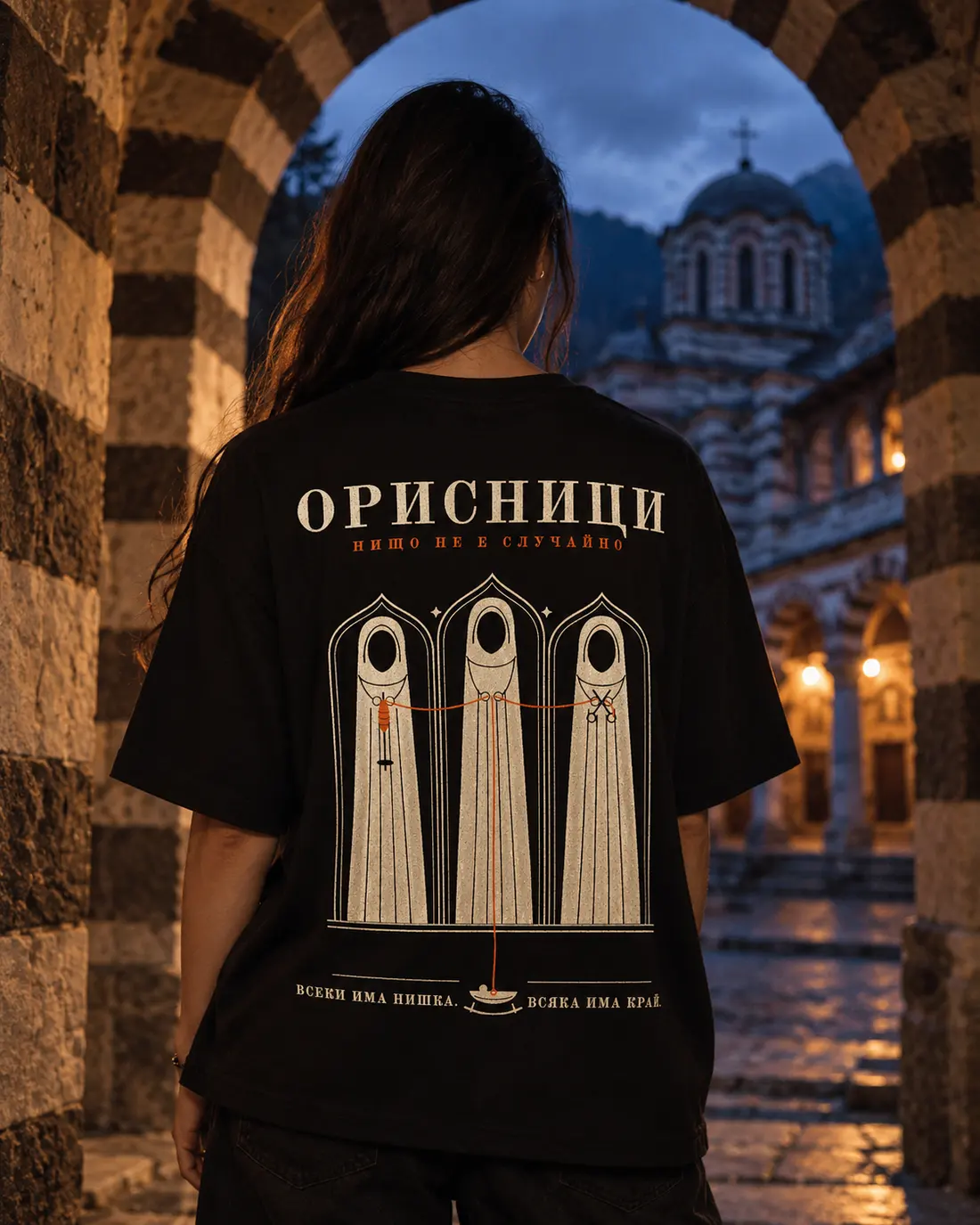
- The orisnitsi — three sisters who come on the third night after a birth and speak the child’s fate. The full legend of the orisnitsi.
- Navi — the souls of children who died unbaptised, flying at night like birds.
Against evil
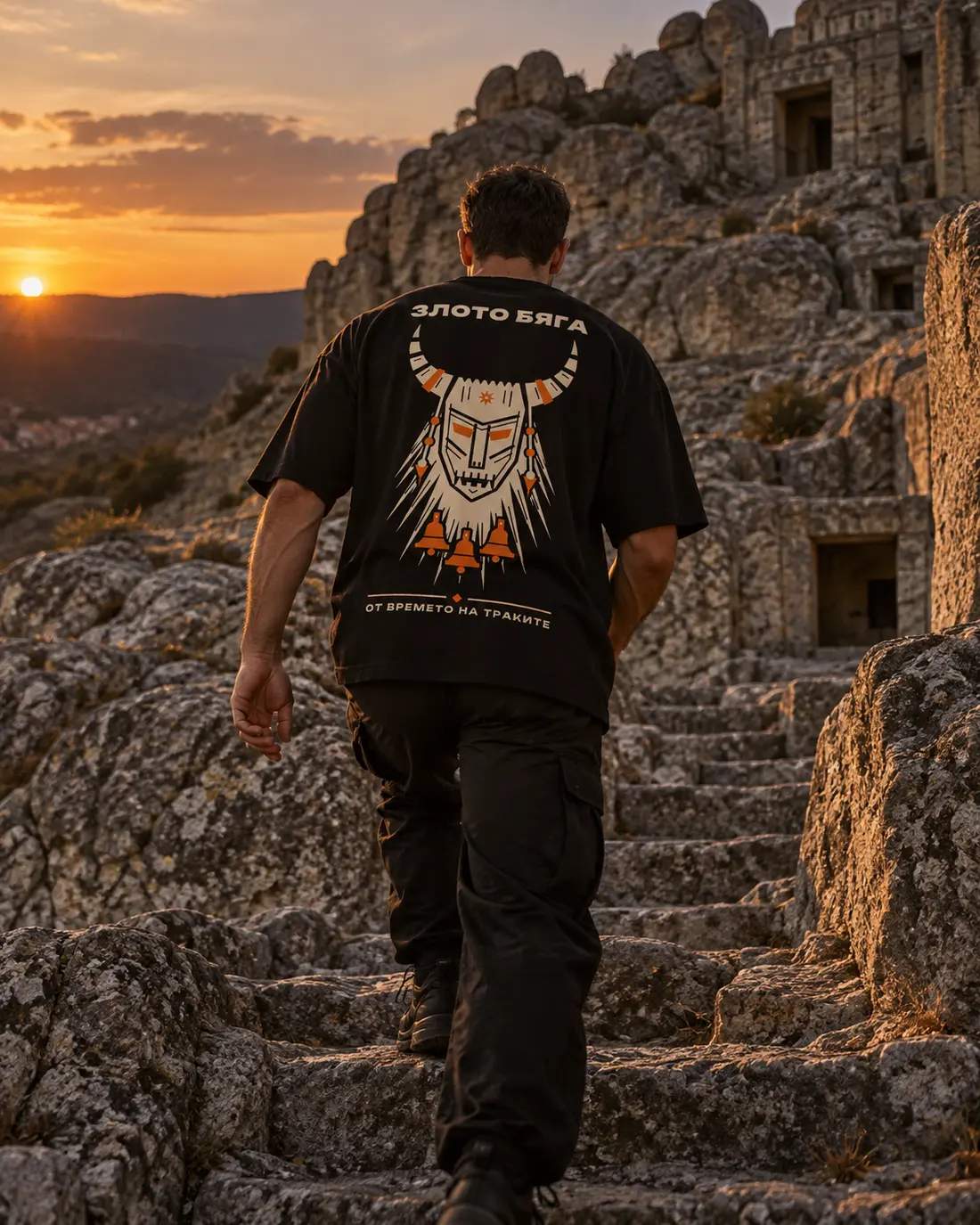
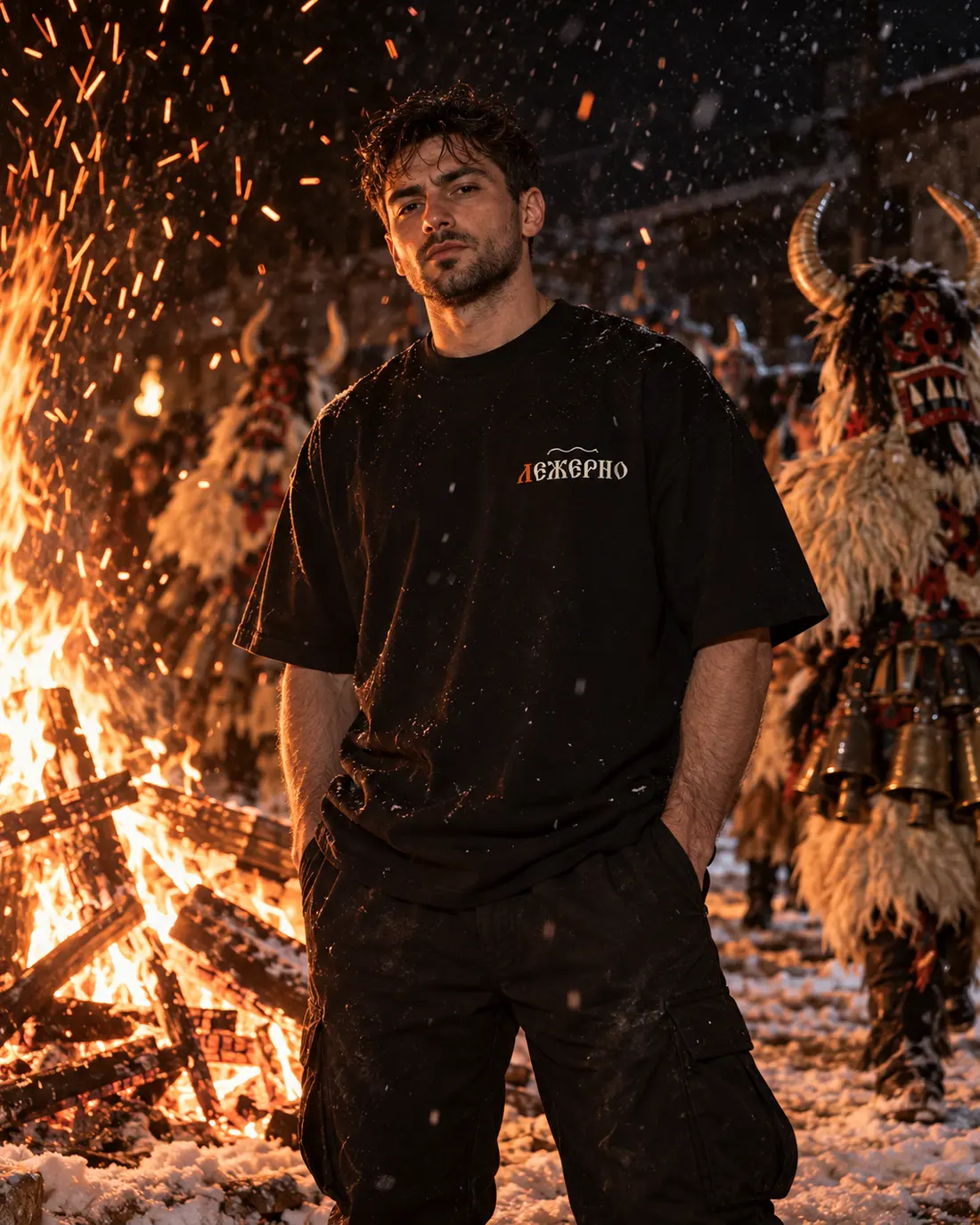
People had their own defences against all of this. The loudest are the kukeri — men in masks, horns and bells who go round the villages in winter and drive evil away. The full legend of the kukeri.
The rest are quieter: a red thread, garlic, fire, a spoken charm. The martenitsa is one of them too — its white and red keep off the evil eye.